Sorry just in Dutch today
please try the google translater
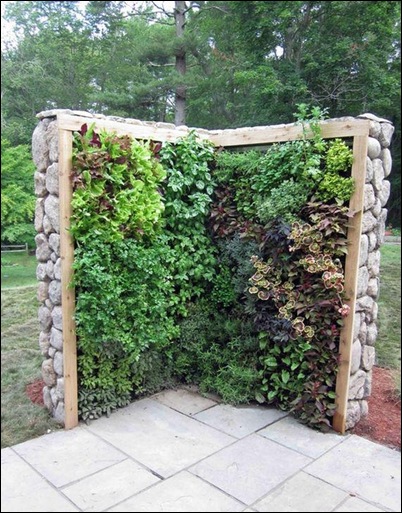
Nu de tijd van verse kruiden weer aanbreekt,
hier een leuke tip om zelf kruidenazijn te maken.
Lekker en gezond ook!
Hebben jullie teveel kruiden?
Of weet je niet goed wat je ermee gaat aanvangen?
Hier een leuke tip om zelf kruidenazijn te maken.
Al wat je nodig hebt, zijn flessen of potten met deksel,
wijnazijn en verse kruiden natuurlijk.
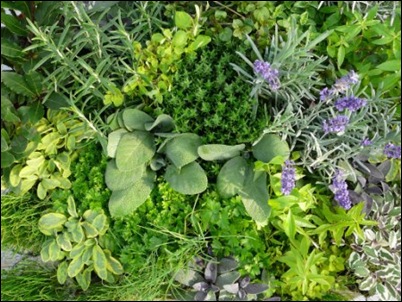
Bij witte wijnazijn gebruik je de kruiden: basilicum, dille,
dragon of bonenkruid, marjolein en bieslook
of muntblaadjes en citroenmelisse.
Probeer ook eens te combineren.
Probeer ook eens met frambozen of een
combinatie van aardbeien en basilicum.
Bij rode wijnazijn gebruik je de kruiden: knoflook,
rozemarijn en tijm
Voor de extra smaak kan je bij de azijn nog toevoegen:
uitjes, peperkorrels en/of jeneverbessen.
Laat alles zeker 2 à 3 weken "trekken".
Filter dan alles en voeg daarna nog wat verse kruiden toe.
Niet alleen voor het oog maar ook nog voor een extra smaak.
Let er wel op dat alle flessen, potten en
deksels goed proper zijn vooraleer je ze vult.
Bewaar ze op een koele en donkere plaats.
Kruidenazijn is lang houdbaar.

Heerlijk om vinaigrettes te maken
Kruiden uit eigen tuin of gekochte kruiden kan je
enkele weken in olie of azijn laten trekken.
De kruiden geven dan hun smaak- en geurstoffen
af aan deze vloeistoffen.
Het basisrecept voor kruidenolie is simpel:
pluk van 1 of meer kruiden één beker vol kruidenblaadjes. Bijvoorbeeld: munt, peterselie, laurier, rozemarijn,
dille, lavendel, oregano, basilicum, tijm, venkel,
salie en/of kervel.
Spoel de verse kruiden goed af.
Je hebt 300 gram olie nodig.
Scheur de kruidenblaadjes in stukjes en voeg er
een klein beetje zonnebloemolie of olijfolie (koud geperst)
aan toe. Meng dit met een vork goed door elkaar en
giet dit over in een goed schoongemaakte, gesteriliseerde, uitgekookte glazen pot of fles.
Doe er de rest van de olie bij en zorg dat de fles
of de pot voor 3/4 deel is gevuld.
Sluit af en laat 2 tot 3 weken staan op een warme
en zonnige plaats.
Schud dagelijks en zorg dat de kruiden
steeds met olie zijn bedekt.
Zeef de olie met een PLASTIC zeef in een nieuwe schone uitgekookte fles of pot. Doe er enkele kruidenblaadjes in,
zodat je kan zien welke kruiden er in verwerkt zijn.
Goed afsluiten. Bewaren op een koele plek en
binnen enkele maanden gebruiken.

Het basisrecept voor kruidenazijn.
Zie basisrecept kruidenolie. In plaats van olie gebruik
je witte of rode wijnazijn en je gebruikt
twee bekers voor 300 gram azijn.
- Bij witte wijnazijn gebruik je de kruiden: basilicum, dille, dragon of bonenkruid, dragon, majoraan en bieslook of muntblaadjes en citroenmelisse.
- Bij rode wijnazijn gebruik je de kruiden: knoflook, rozemarijn en tijm
- Voor de extra smaak kan je bij zowel de olie als de azijn nog toevoegen: uitjes, peperkorrels en/of jeneverbessen.
TIP 1 : Op de fles of de pot kan je een etiket plakken
of met schoolbordverf een etiket maken.
TIP 2 : Over de deksel een
sierdekseltje haken met dit haakpatroon

BRON:
mentholcristales.com